Healing through voice, ceremony, and community in a Mexico shaped by silence, resilience, and contradiction
Some stories don’t begin with tequila. They begin with silence. With the moments when speaking feels riskier than staying quiet. With the thought, “¿Y si mi voz no vale?”
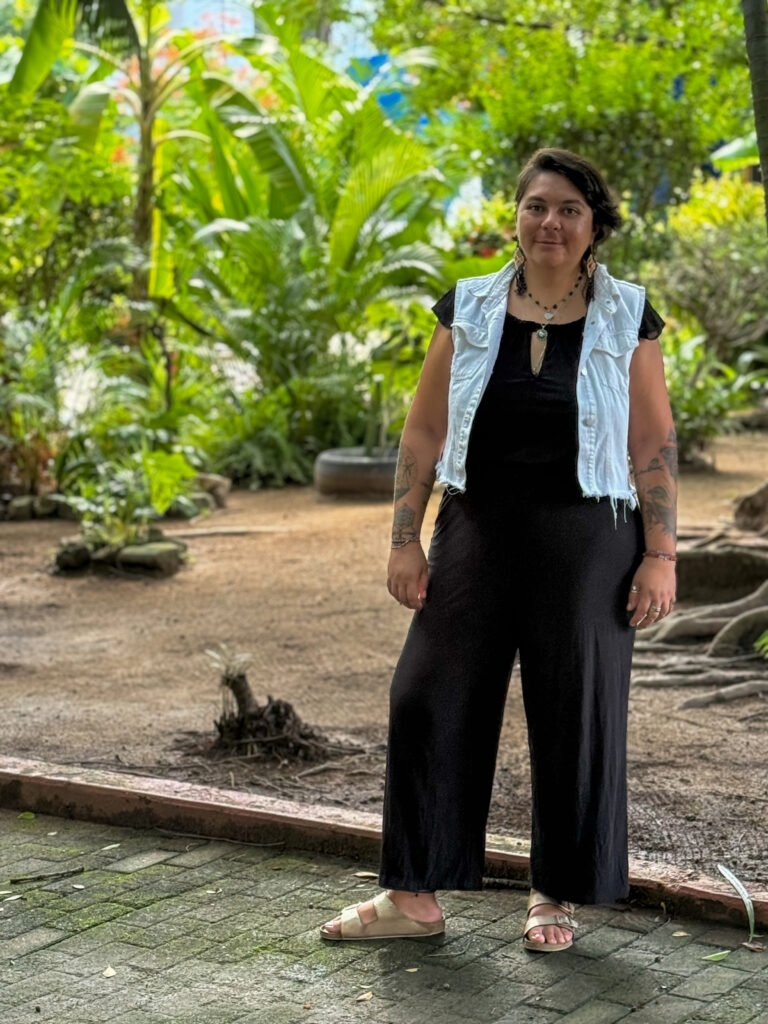
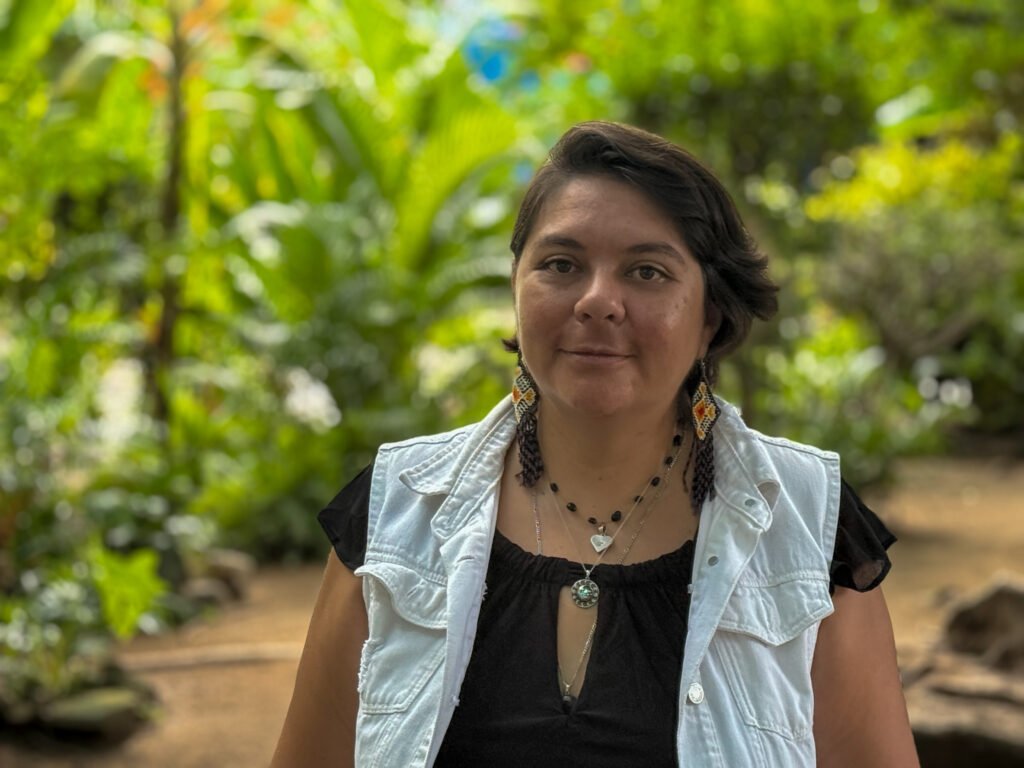
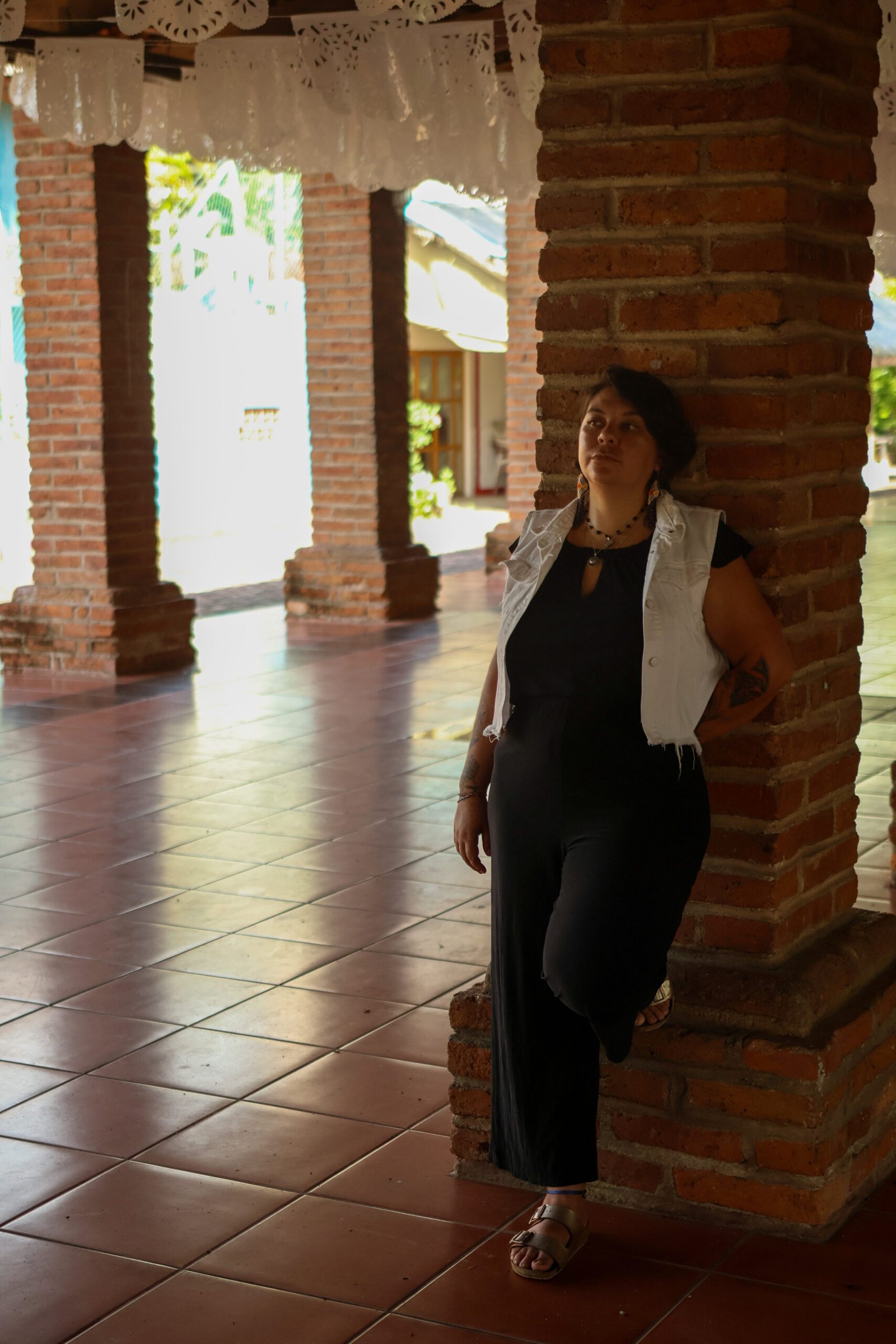
Paola’s story begins there. In the space between pain and expression, between being unseen and finally being heard. She is a psychologist, ceremony guide, and community builder who believes that voice, personal and collective, can be a form of medicine.
Paola and the Power of Listening
Paola works with people who are learning how to listen to themselves again. She guides ceremonies, facilitates circles of dialogue, and creates spaces where speaking and listening are treated with care. Her work is not about performance or confidence. It is about dignity. About what happens when someone finally has permission to say what they have carried alone.
“I like the idea of being able to share knowledge, and also the importance of being heard and of voice. One of my goals, or my life mission, is to encourage people to use their voice. Something I work with a lot, and that is kind of one of my goals or my life mission, if you want to label it that way, is to encourage people to use their voice.”
For Paola, using her own voice is not leadership. It is an invitation.
The Power of Your Voice
“The simple fact of being able to use your voice is perfect—whatever way you’re able to use it. And that people feel empowered to share what they know, no matter what it is they want to say. I feel like, in the end, sometimes we don’t share because we think, “Oh, I’m going to offend,” or “I might hurt someone,” or “Maybe what I’m saying isn’t very… educated or important.”
Listening to her, it becomes clear that silence is not neutral. Silence shapes people. Sometimes it protects them. Sometimes it harms them. And Paola’s work with voice began long before she guided others. It began in her teenage years, during a period marked by depression and the feeling that her existence had no purpose.
“From a very young age, like from around 13, I had very negative thoughts, and also suicidal thoughts.
It was like, in the end, I would say, ‘No, I don’t think my being really has a purpose in this life.’ And I felt like what I did wasn’t good enough, or that I was never really going to accomplish anything.. And I spent a lot of time in my own head, and sometimes it was also hard for me to connect and share with other people.”
Healing Through Hongos:
Her healing did not come from avoiding pain, but from learning how to face it. Through psychology, ceremony, and work with non ordinary states of consciousness, Paola describes an experience not of forgetting, but of contact.
“I mean, I first encountered mushrooms in a kind of… well, semi-recreational way. We went to the mountains, a friend invited me. I was about 21, and he invited me to go pick mushrooms in the mountains in the state of Veracruz. And I had never tried them before, but it was something that caught my attention. And I did it, and… I mean, it turned out perfectly that from the moment I ate them, I had a period of more than six months without having those intense or suicidal thoughts, and I was much calmer.”
This didn’t mean that she was running from her problems and escaping into psychedelic experiences, but using those experiences to embrace what she had been feeling and find voice again.
“It wasn’t about forgetting. It was more like… actually feeling my pain and realizing it, and no longer rejecting it or seeing it as ‘something bad,’ but rather as ‘something I can face and work with.’ It wasn’t about rejecting the pain. It was about seeing it from a more loving perspective, and realizing I could face it.”
That shift, from rejection to observation, stayed with her. Voice, she realized, works the same way. Pain that is never spoken does not disappear. It becomes invisible.
Ancestry and Return
As Paola continued her path, another layer of the story emerged. Her great grandmother had been a curandera in Catemaco, Veracruz, a place known in Mexico for traditions of spiritual healing and ceremony.
“I feel like this desire to accompany someone through medicine or through the spiritual side comes from much earlier. It’s something that has been carried in my family lineage. I mean, in the end, even if you don’t see it, there are many things that exist in us from the past.”
The inheritance was not announced. It revealed itself slowly. Even unseen, it had been there.
Speak, and Listen
Today, Paola guides circles of dialogue, spaces where people gather to speak, listen, and witness one another. Some cry. Some stay silent. Some speak for the first time.
“Many people had never been listened to. And when they are in a space where someone listens to them, something inside changes.”
For Paola, healing is not individual or dramatic. It is relational. It happens in community, through warmth, ritual, memory, and voice.
Even tequila, in her story, is not an escape. It is a family archive. A reminder of gatherings, of presence, of choosing consciousness over disappearance.
Watch the full episode here:
Paola’s story leaves a quiet question behind: Where in your life are you holding back your voice, and what would change if you let it be heard?
Because sometimes healing doesn’t begin with answers.
It begins when someone says, “Aquí estoy.”
And someone else answers, “Te escucho.”